
Roller brake testing and why they're so important
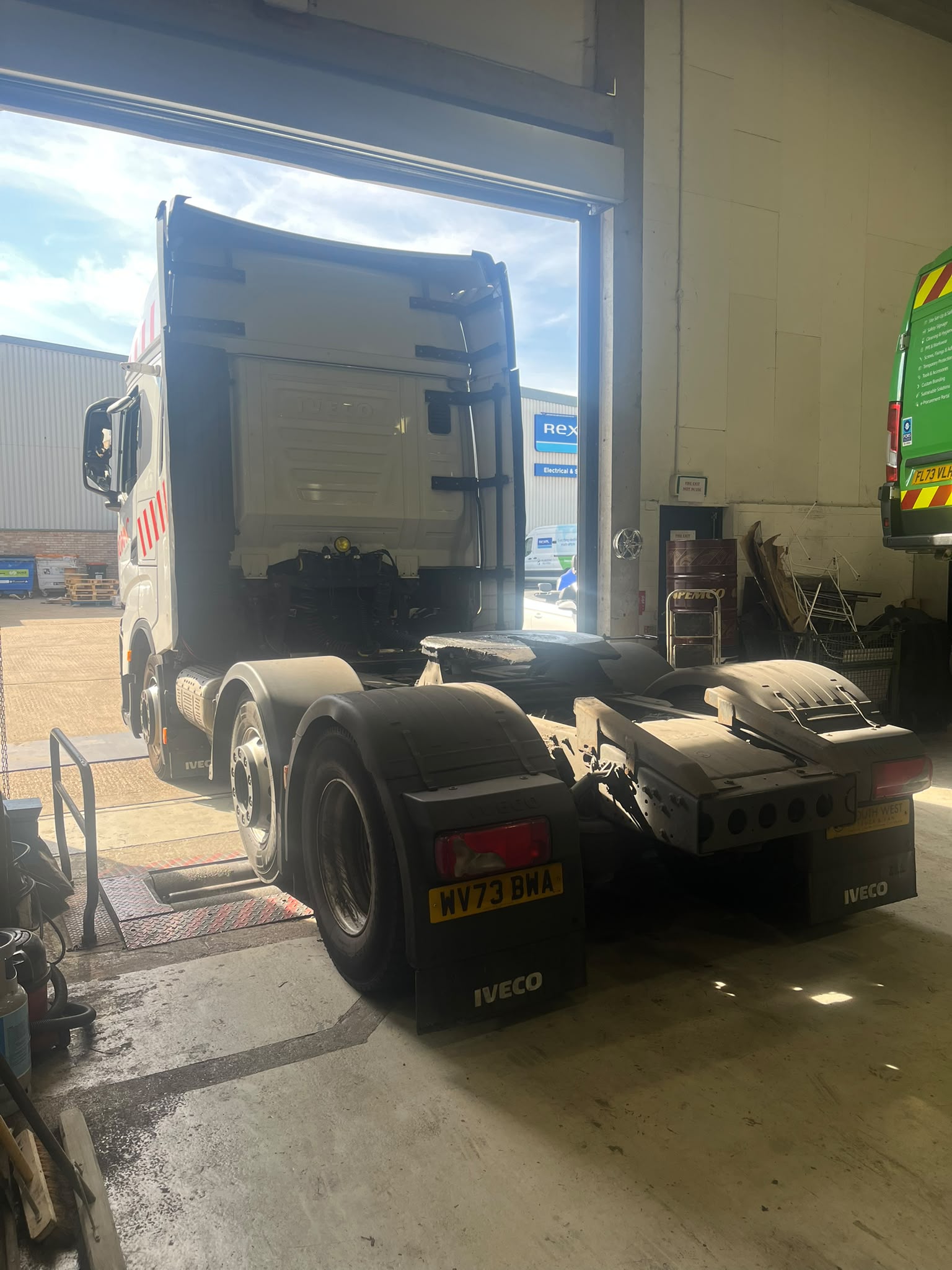
When it comes to commercial vehicles, braking performance is one of the most critical factors in keeping drivers, passengers, and other road users safe. Whether you're operating a single HGV or managing a large fleet, ensuring your vehicles can stop safely and efficiently isn't just good practice—it's a legal and operational necessity.
One of the most reliable ways to assess a vehicle's braking performance is through a roller brake test (RBT). This simple yet highly effective inspection provides an accurate picture of how well a vehicle's braking system is performing and helps identify issues before they become costly or dangerous.
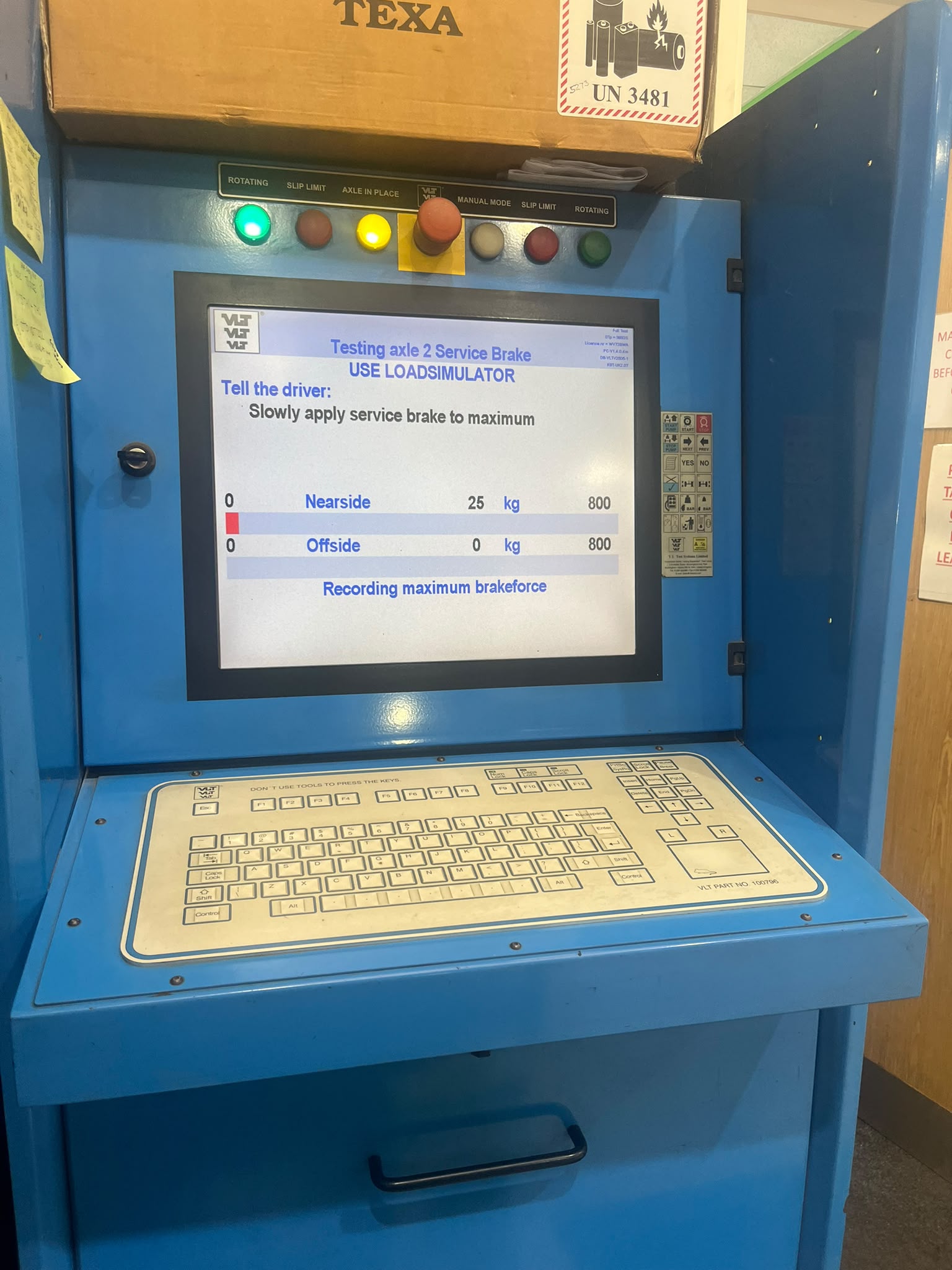
A roller brake test is a controlled assessment of a vehicle's braking efficiency using specialist equipment known as a roller brake tester. During the test, each axle of the vehicle is positioned on powered rollers that simulate road conditions while measuring the braking force produced by each wheel.
Unlike a visual inspection, a roller brake test measures actual braking performance, providing objective data on how effectively the braking system is working.
The results can reveal problems that may not be noticeable during everyday driving, such as uneven braking effort, brake imbalance, worn components, or reduced braking efficiency.
The primary purpose of any braking system is to stop a vehicle safely. Commercial vehicles are significantly heavier than passenger cars, meaning any reduction in braking performance can have serious consequences.
Regular roller brake testing helps identify faults before they develop into safety-critical failures, reducing the risk of accidents and protecting both drivers and the public.
Commercial vehicle operators have a legal responsibility to ensure their vehicles are roadworthy at all times. Brake defects remain one of the most common reasons for inspection failures and enforcement action.
Routine roller brake testing demonstrates a proactive approach to vehicle maintenance and helps operators meet their obligations under operator licensing requirements.
Maintaining documented brake test records can also provide valuable evidence that vehicles have been properly maintained if questioned during roadside inspections or audits.
Brake components naturally wear over time. Pads, discs, drums, shoes, chambers, and air systems all require regular inspection and maintenance.
A roller brake test can identify issues such as:
Finding these problems early often means simpler, less expensive repairs before major failures occur.
Unexpected brake failures can take vehicles off the road without warning, disrupting schedules and increasing operating costs.
Regular brake testing allows maintenance teams to identify issues during planned servicing rather than dealing with emergency breakdowns or failed inspections.
Keeping vehicles available for work improves fleet efficiency and helps minimise costly downtime.
For transport operators, safety is closely linked to reputation. Customers expect reliable deliveries, while regulators expect properly maintained vehicles.
A robust maintenance programme that includes regular roller brake testing demonstrates professionalism, commitment to safety, and high operating standards.
While annual roadworthiness tests include brake performance assessments, many operators choose to carry out roller brake tests much more frequently.
Brake testing is commonly performed:
The appropriate testing frequency depends on vehicle usage, mileage, operating conditions, and maintenance schedules.
Investing in routine roller brake testing offers several long-term advantages:
Rather than reacting to brake failures, operators can take a preventative approach that saves both time and money.
Brakes are one of the most safety-critical systems on any commercial vehicle. While visual inspections remain important, they cannot accurately measure braking performance under controlled conditions.
Roller brake tests provide clear, measurable evidence that a vehicle's braking system is operating correctly, helping operators identify faults early, maintain compliance, and keep vehicles safe on the road.
For fleet managers and commercial vehicle operators alike, regular roller brake testing is more than just a maintenance task—it's an investment in safety, reliability, and operational efficiency.
Contact us today to find out how we can help with your vehicles braking performance
https://hainescommercials.co.uk/enquire
Commercial vehicle maintenance and repair specialists. Trucks, vans, buses and coaches — kept moving across the South East.


